
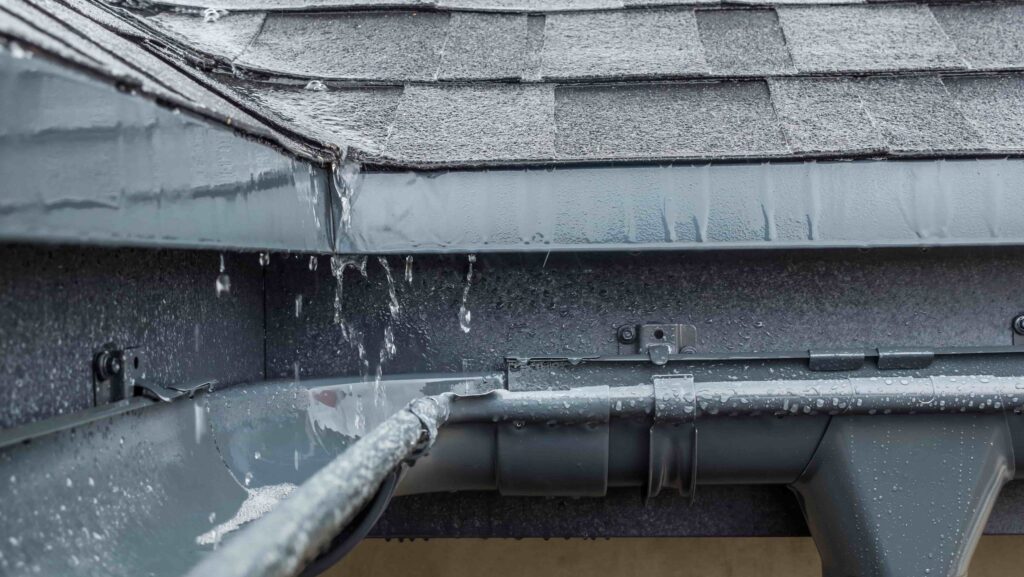
Fall in North Carolina is beautiful, but it brings a major headache for homeowners. Crisp autumn days mean dropping leaves and frequent rainstorms that test your home’s drainage. Leaves, pine needles, and debris collect fast, clogging open gutters. Water backs up, overflows, and threatens your foundation.
Gutter guards offer a way to block debris before it enters your gutters. But can they truly handle the heavy downpours and thick canopy of Wake Forest homes? The short answer is yes, gutter protection helps manage fall leaves and heavy rain. However, no system makes your roof completely maintenance-free. Here is what you need to know about how gutter guards work, how they handle autumn weather, and how to keep your drainage system in top shape.
How Do Gutter Guards Handle Fall Leaves?
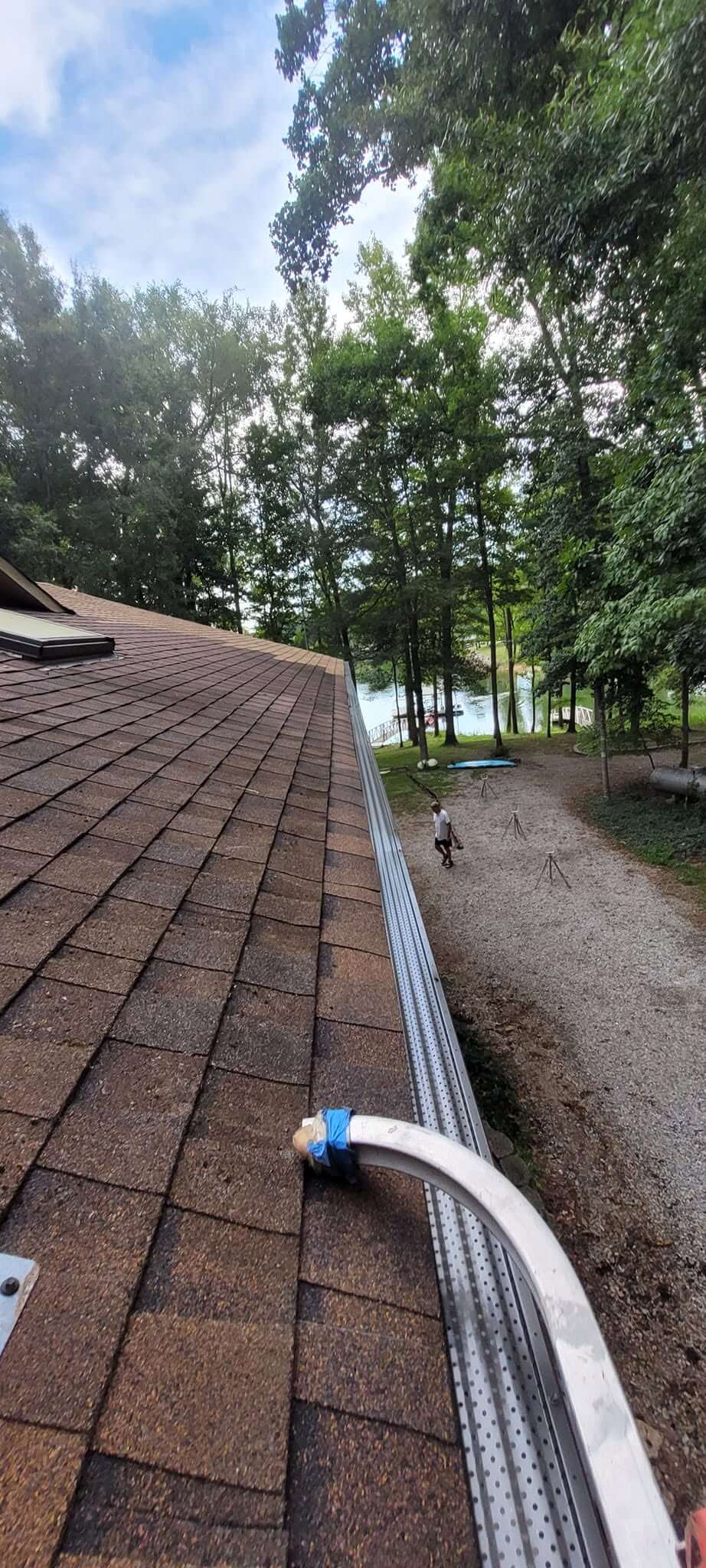
Gutter guards act as a physical barrier over your rain gutters. They let water pass through while blocking leaves, twigs, and larger debris.
Manufacturers use several common designs to protect your gutters:
- Micro-mesh guards: Stainless steel mesh with tiny holes that block small debris while letting water pass through.
- Screen guards: Metal or plastic grids that stop large oak and maple leaves.
- Reverse-curve covers: Solid caps that use water surface tension to direct rain around a curve while leaves slide off.
- Perforated metal guards: Flat metal covers with punched holes that balance strength and water flow.
How well a guard works depends on its design and the trees around your yard. Big leaves from oaks or maples often rest on top of the guard until the wind blows them away. Fine debris, like pine needles, seeds, and tree pollen, can still gather over time depending on the mesh size. Your roofline and tree layout also impact how much debris lands on your roof.
Can Leaves Still Build Up on Top of Gutter Guards?
Yes, leaves can accumulate on top of gutter guards during peak fall shedding. When leaves drop quickly, wet foliage can stick to the surface of flat screens or mesh. If a thick mat of leaves sits over your guards, water cannot pass into the gutter below. Checking your roof line after a heavy leaf drop helps keep water flowing into the gutter instead of shedding over the side.
Can Gutter Guards Handle Heavy Rain?
Properly installed gutter guards maintain steady water flow even during high-volume weather. According to the State Climate Office of North Carolina climate data, Wake County averages over 46 inches of precipitation annually, with September and October often bringing heavy tropical rain or coastal storms.
Gutter guards help maintain this water flow when open channels would normally clog. But guards are only one part of rain gutters. The gutter system itself must be properly sized, sloped, and secured. Heavy rain can overwhelm your roof edge if you deal with these issues:
- Blocked downspouts slowing down water exit.
- Poor gutter slope causing water to pool.
- Undersized gutters that cannot handle heavy roof runoff.
- Loose fascia brackets that cause sagging sections.
For Wake Forest homeowners, high-volume autumn rainfall must work together with properly installed leaf protection, adequate gutter size, and clear downspouts.
What Happens When Leaves and Rain Occur Together?
When wet leaves and heavy rain hit at the same time, your gutter maintenance gets put to the test. Wet leaves weigh more, clump together, and stick to roof surfaces and gutter guard tops. Heavy rain washes smaller roof debris toward gutter openings, creating dams along roof valleys.
If water cannot pass through the guard or move through the channel, you will see clear signs of trouble:
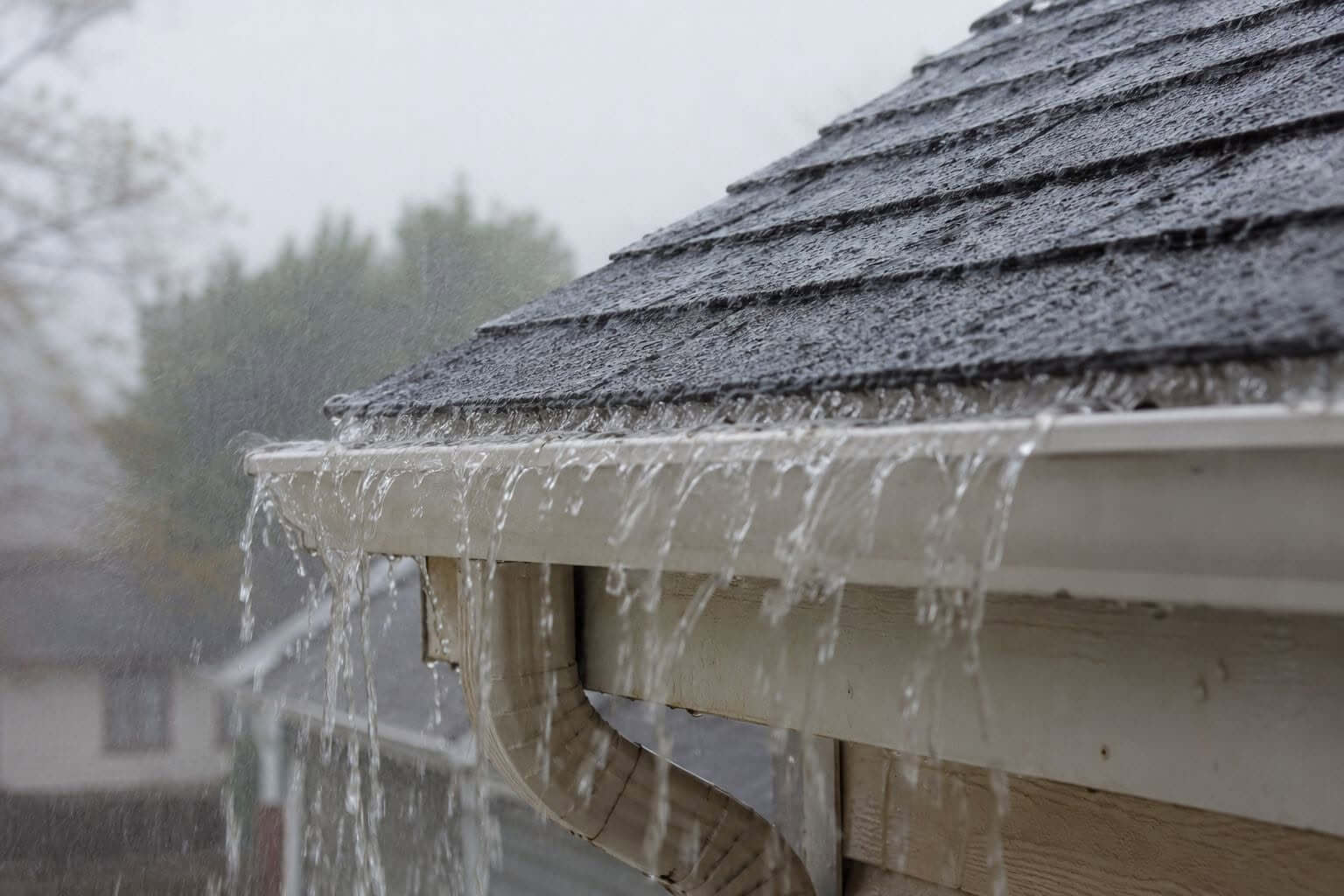
- Water spilling over the front edge like a waterfall.
- Rain pouring behind the gutter line, rotting your fascia boards.
- Pools of water forming around your home’s foundation.
- Sagging gutter sections under heavy, wet debris.
Gutter guards significantly reduce inside buildup, but they cannot fix damaged, misaligned, or poorly designed rain gutters.
What Should Wake Forest Homeowners Check Before Fall?
Before autumn leaf drop begins, review this simple pre-fall inspection checklist to ensure your gutter protection is ready:
- Inspect the channels: Look for cracks, rust, holes, or loose support brackets along the entire roofline.
- Check attachment points: Make sure your gutter guards are securely fastened and haven’t shifted out of place.
- Clear existing debris: Remove any old leaves, dirt, or twigs resting on the guards or inside the gutters.
- Flush the downspouts: Run water through your downspouts to verify they flow freely without obstruction.
- Verify drainage direction: Ensure downspout extensions release water at least 3 to 5 feet away from your foundation.
- Look for sag: Check that your gutters are properly sloped without low spots where water pools.
- Evaluate guard suitability: Confirm your current leaf protection design matches the specific tree species around your yard.
When Should You Consider Professional Gutter Guard Installation?
Professional installation ensures your gutter protection fits securely without damaging your roof edge or shingles. Local experts evaluate your roof pitch, tree canopy, and gutter capacity to recommend the right guard design. If you deal with recurring clogs, overflowing water, or dangerous ladder work, professional installation provides a reliable, long-term solution.
Prepare Your Wake Forest Gutters for Fall
Gutter guards are a valuable defense against autumn leaves and heavy seasonal rain in Wake Forest, NC. They reduce interior blockages, support consistent water flow, and protect your home’s foundation. While they require occasional surface clearing, quality leaf protection saves you hours of messy work every fall.
Are you ready to safeguard your home against autumn weather? Contact Southern Experts LLC today at (919) 880-7494 for expert gutter guard in Wake Forest, NC, professional gutter cleaning, and complete gutter maintenance services.