
Gutters play a crucial role in protecting your home. They channel rainwater away from your roof, siding, and foundation, helping
to prevent significant water damage. However, just like anything else, gutters can deteriorate over time. If you’re in Durham, NC, where seasonal rains and falling leaves are a regular occurrence, it’s especially vital to keep your gutters in tip-top shape. The sooner you spot any gutter issues, the easier and more affordable it will be to address them.
Cracks and Splitting
Take a close look at your gutters, especially at the joints and corners. Even small cracks can cause leaks that let water drip
onto your siding or foundation.
Why it matters:
- Small cracks can grow bigger with each rainstorm.
- Leaks from cracks can lead to mold, rot, and even foundational damage.
If you see any visible cracks or splits, it’s time to repair or replace that section of gutter.
Rust
If your gutters are made of metal, rust is a sign of trouble. Rust weakens the gutter material and can eventually create holes
where water can escape.
Things to check:
- Orange or reddish spots
- Rough patches on the surface
- Thin holes are forming in rusty areas
Rust often starts in small areas but can spread quickly, so it’s important to address it early.
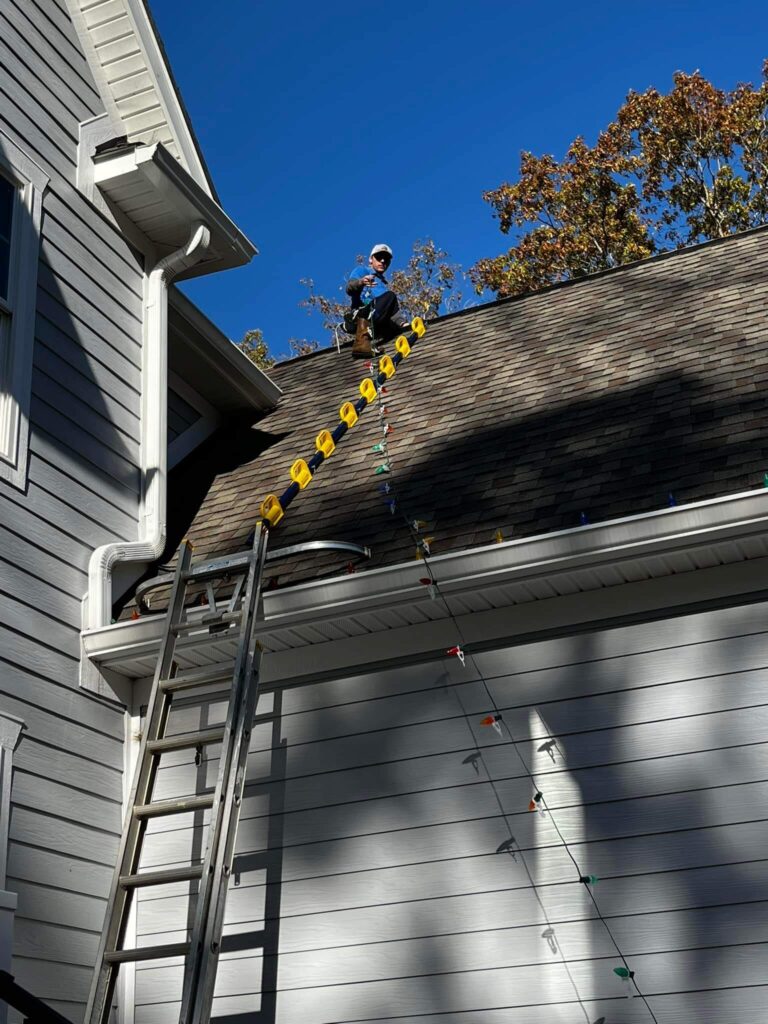
Sagging or Warped Gutters
When gutters are working properly, they should sit straight and snug against your roofline. If you notice them pulling away,
sagging, or bending outward, that’s a sign of damage.
Possible causes include:
- Clogged gutters holding too much water
- Heavy debris buildup (like wet leaves or nests)
- Loose or broken brackets
Sagging gutters can cause water to spill over the sides instead of flowing into the downspouts.
Loose Brackets or Fasteners
Brackets and screws are what hold your gutters securely in place. If they start to come loose, you could find your gutters tilting
or even falling off during a heavy storm.
When you’re checking your gutters, give them a gentle push in a few spots. Do they feel a bit wobbly or unstable? That’s a clear
sign that the brackets might need some tightening or they could even need to be replaced entirely.
Loose gutters can also throw off the slope, which means water won’t drain properly and could start pooling in certain areas.
Overflowing Water
If you see water overflowing during a rainstorm, something is wrong. It could be a clog, an improper slope, or damage that’s
blocking the water flow.
Common causes of overflow:
- Leaves and debris are blocking the gutter.
- Gutters are pitched at the wrong angle.
- Sections that are too narrow for heavy rain.
Overflowing water doesn’t just look bad, it can damage your siding, windows, and landscaping.
Leaks
Leaks can happen anywhere water escapes from the gutter system, where it shouldn’t. Check the joints, seams, and areas
where gutter sections connect.
Signs of a leak include:
- Drips from the bottom of the gutter
- Wet streaks down your siding
- Puddles near your foundation
If the leak is small, sealing it with a gutter caulk might work. Bigger leaks may require replacing sections.
Blocked Downspouts
Downspouts are what carry the water away from your home. If they’re blocked, water can back up into the gutters, causing
overflow and damage.
How to check:
- Run water from a hose into the gutter and see if it flows freely out the bottom of the downspout.
- If water backs up, you likely have a clog.
Clearing downspouts is just as important as cleaning gutters themselves.
Water Damage Marks
Look for water stains on your siding, fascia boards, or around your foundation. These marks can be signs that water is escaping
from your gutters instead of flowing through them.
What to watch for:
- Dark streaks or discoloration.
- Mold or algae growth.
- Soft or rotting wood near the roofline.
If you notice these signs, investigate your gutters for leaks or overflow problems.
PestInfestations
When gutters become damaged or clogged, they can become a cozy home for all sorts of pests. The combination of leaves
and standing water creates an ideal hangout for mosquitoes, ants, and even rodents. If you hear scratching sounds or see movement near your gutters, it’s a good idea to take a closer look.
Shingle Damage
Your gutters and roof work together to protect your home. If gutters aren’t draining properly, water can seep under your
shingles, causing damage to your roof.
Signs include:
- Rotting fascia boards
- Lifted or cracked shingles
- Water leaks into your attic
Damaged shingles can lead to leaks, so it’s essential to address gutter issues before they compromise your roof.
IncorrectInstallation
Sometimes, the problem isn’t damage, it’s poor installation. If your gutters were installed incorrectly, they might have the wrong
slope, be too small, or have poorly placed downspouts.
Signs of improper installation:
- Water is pooling in sections
- Frequent overflows, even when clean.
- Gutters that tilt toward the house instead of away.
If you suspect that your gutters weren’t installed properly, a professional inspection can confirm the issue and make the
necessary gutter repairs.
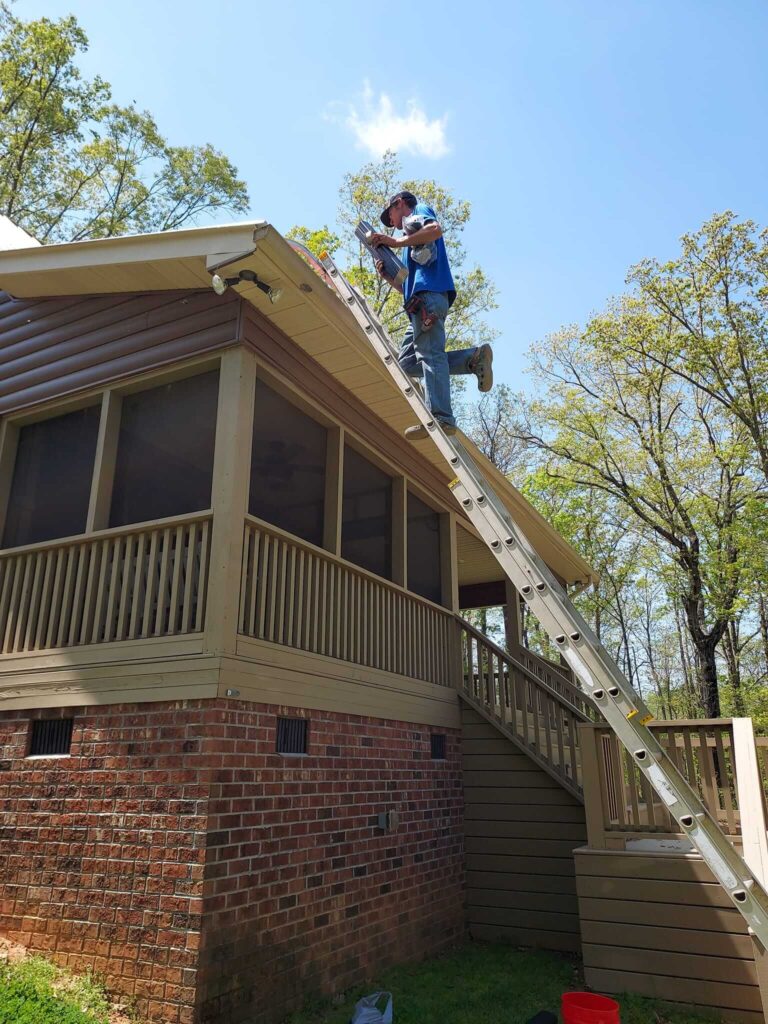
Why You Shouldn’t Skip Regular Gutter Inspections
Living in Durham means you have to tackle everything from those pesky leaf-filled autumns to unexpected summer storms.
Your gutters really take a hit with each changing season.
By giving your gutters a good check-up at least twice a year, you can spot any issues before they escalate. This proactive
approach leads to fewer repairs, less water damage, and significantly less stress.
Schedule a Gutter Inspection with Southern Experts LLC Today!
If you’ve spotted any of these warning signs in your Durham, NC home, don’t wait until the next storm to take action. Southern
Experts LLC can inspect your gutters, identify any problems, and provide the necessary repairs or replacements.