

Spring in Durham brings warm days, blooming trees, and a lot of stormy weather. The area has a humid subtropical climate with hot, humid summers and mild but wet springs, and it gets about 46 inches of rain a year, more than the U.S. average. Thunderstorms are common and often dump heavy rain in a short time.
For commercial buildings, this means your gutters have to work hard to move storm water off the roof. When spring storm debris fills your gutter system, it can quickly lead to clogs, overflow, and even structural damage.
Why Do Durham Spring Storms Create So Much Gutter Debris?
Durham sits in the central part of North Carolina, where spring thunderstorms happen often. State climate education resources explain that these storms bring strong winds and intense rain that can cause localized flash flooding. The City of Raleigh also notes that North Carolina sees around 40 to 50 thunderstorm days a year, and about 10 percent of those storms are considered severe.
At the same time, Durham County is heavily wooded. Federal land cover data show that the county is roughly 59 percent forested, so many commercial areas sit near tall trees. That means every storm can knock down leaves, pine needles, twigs, and small branches right onto your roof and into your gutters.
Spring is also the peak pollen season. North Carolina State researchers report that tree pollen runs from February through the end of May, with a sharp peak in late March and early April. Pine pollen and other tree pollen coat surfaces with the familiar yellow dust, which can wash into gutters and mix with other debris.
All of this together means that by late spring, many Durham commercial gutters are already packed with storm debris.
How Does Spring Storm Debris Clog And Overload Commercial Gutters?
Spring debris acts like a sponge. Oak tassels, seed pods, pine needles, and blown trash soak up water and swell. In a commercial gutter system, that can cause several problems:
- Clogged downspouts: Packed debris blocks downspouts so water cannot escape.
- Water overflowing the gutter edge: During strong spring rain, water spills over and runs down walls instead of into the drainage system.
- Added weight: Wet debris can weigh hundreds of pounds along a long gutter run, especially on big retail centers and office parks.
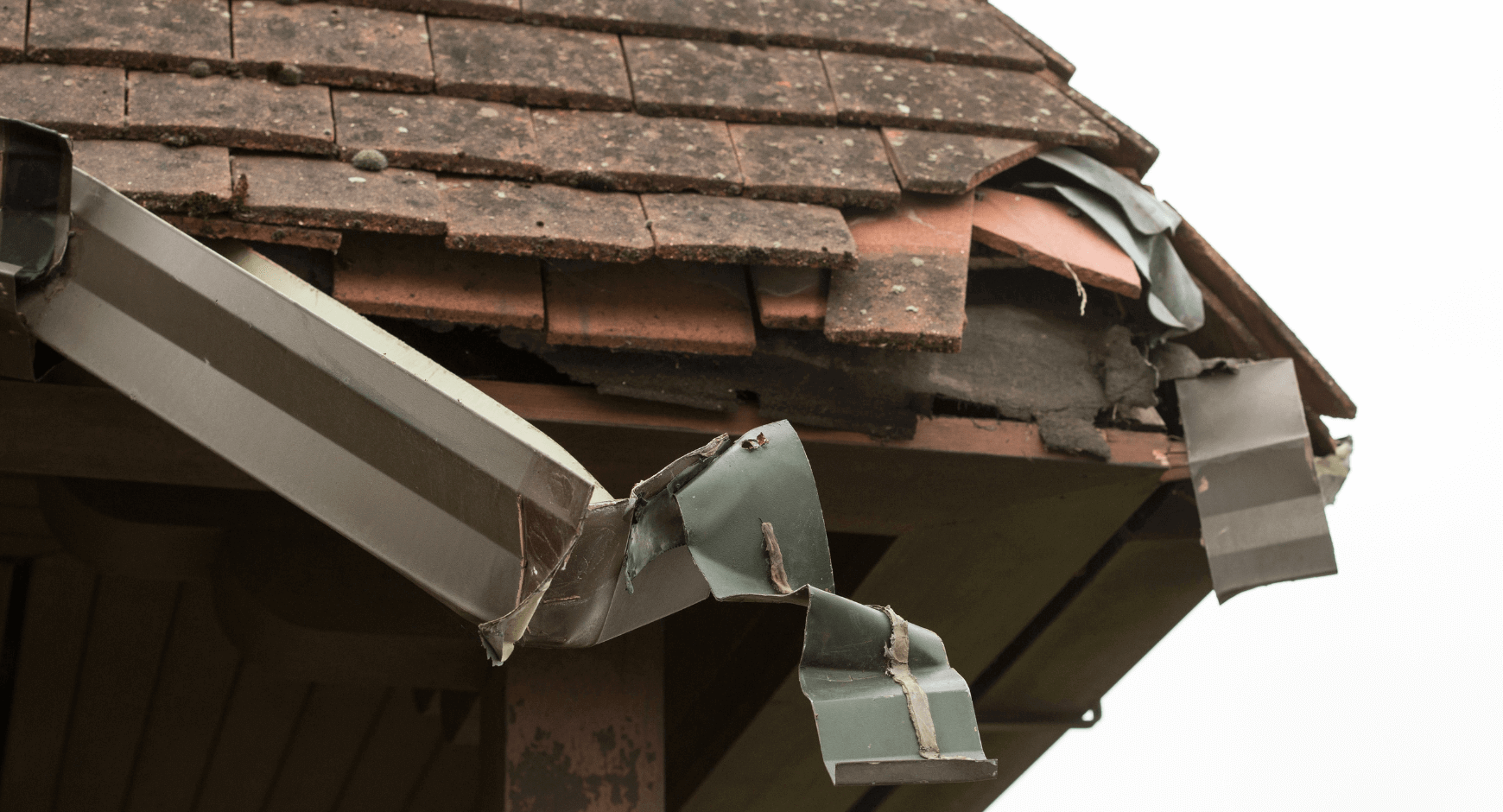
As the weight builds, gutters can start to sag. When gutters sag, they lose their proper slope, or “pitch,” so water stands in certain spots instead of flowing to the downspouts. This standing water speeds up rust in metal gutters and can leak through seams and corners.
Over time, a gutter that started out a little off pitch can end up holding water all the time. That is a sign that debris and water have been stressing the system for months or even years.
What Structural Damage Can Storm Debris Cause To Gutter Systems And Roofs?
Heavy spring storms in Durham often bring gusty winds. Those winds can break branches or push them across roof edges. When branches hit gutters, they can dent the metal, break hangers, or even rip sections away from the fascia board.
Common damage from spring storm debris includes:
- Sagging and detachment: Loose fasteners let the gutter pull away from the building, which creates gaps where water can run behind the system.
- Rotting fascia boards: When water and wet debris sit against the wood for weeks, the wood softens and rots.
- Water under the roofline: If gutters are off pitch and overflowing, water can back up under the edge of the roof, soaking roof decking and insulation.
- Internal gutter problems on flat roofs: Many commercial buildings in Durham have internal gutters or scuppers. When these clog, water can pond on the roof and stress the roof deck. In a big storm, that ponding water can find a weak spot and leak inside.
Durham’s climate data show that the city already receives abundant precipitation, and climate change is expected to increase the number of days with extreme rainfall and the risk of inland flooding. That makes a clean, well-working gutter system even more important for protecting your building.
How Can Durham Businesses Prevent Spring Debris From Damaging Gutters?
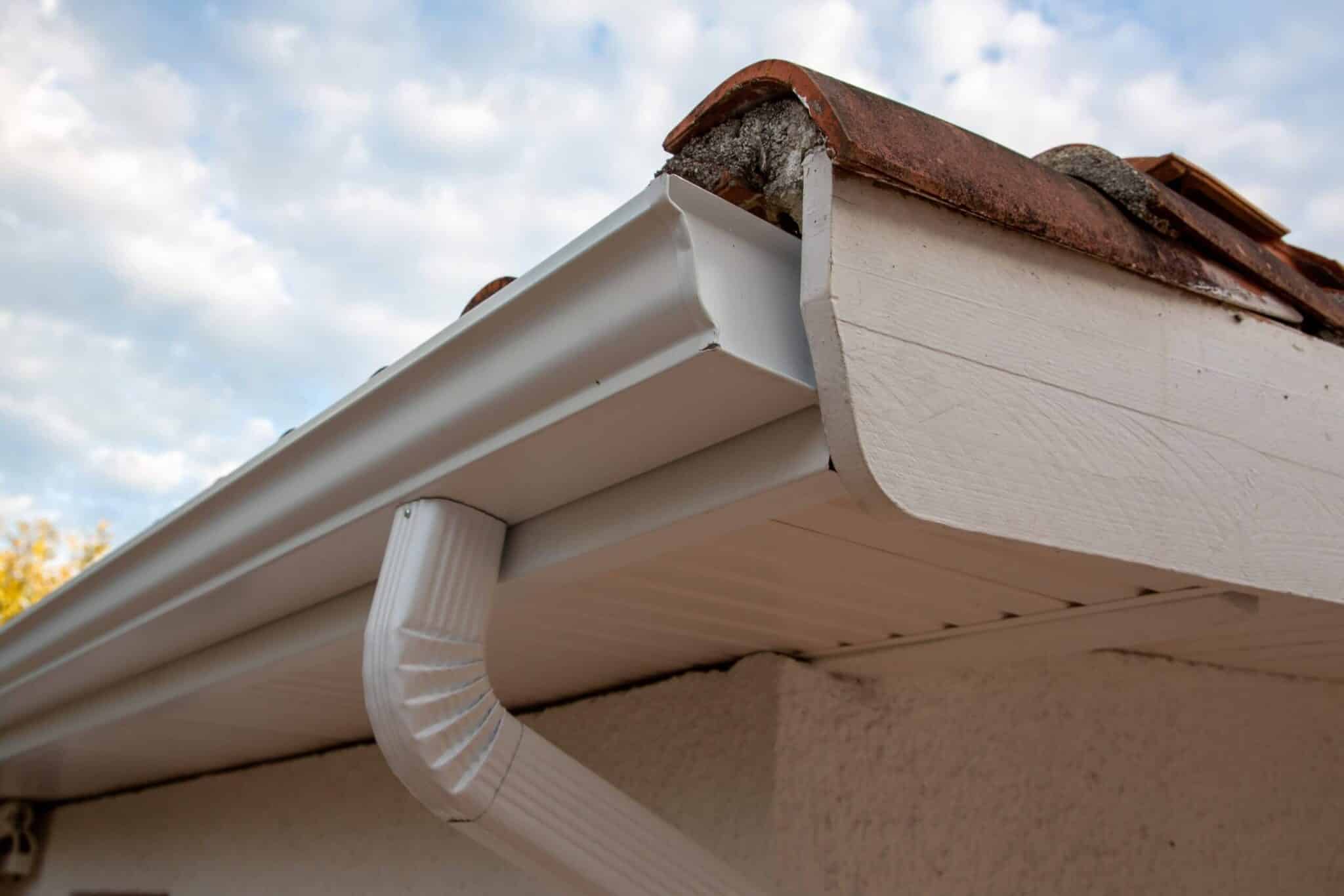
You cannot stop the storms, but you can prepare your gutter system to handle them. Good steps include:
- Schedule regular cleaning: Plan at least two cleanings a year, one in late spring after the worst pollen and early storms, and one in late fall after leaf drop.
- Add extra checks after big storms: After strong thunderstorms or high winds, walk the property and look for sagging sections, visible clogs, or water lines on walls.
- Trim trees back from the roofline: Keeping branches 6 to 10 feet away from the roof can reduce the amount of debris that reaches your gutters.
- Consider gutter guards: Professional-grade guards can keep large debris out while still letting water flow through.
- Inspect internal drains and scuppers on flat roofs: Make sure they are not buried under leaves and pollen, since these systems are harder to see from the ground.
Early action is key. Fixing a loose hanger or cleaning a clogged downspout now is much cheaper than repairing a rotted fascia or replacing damaged roof decking later.
How Can Southern Experts LLC Protect Your Durham Commercial Gutters This Spring?
If your Durham property has gutters that overflow in every storm, sag along the roofline, or show signs of rust and staining, it is time for a professional inspection. Southern Experts LLC understands local storm patterns, tree cover, and the special needs of commercial buildings in the Bull City.
We can inspect your gutters, clear spring debris, check slopes and downspouts, and recommend repairs or upgrades to keep water flowing away from your building.
Call Southern Experts LLC at (919) 880-7494 today to schedule a spring gutter inspection and cleaning. A short visit now can help protect your commercial roof, walls, and foundation through the entire storm season.