
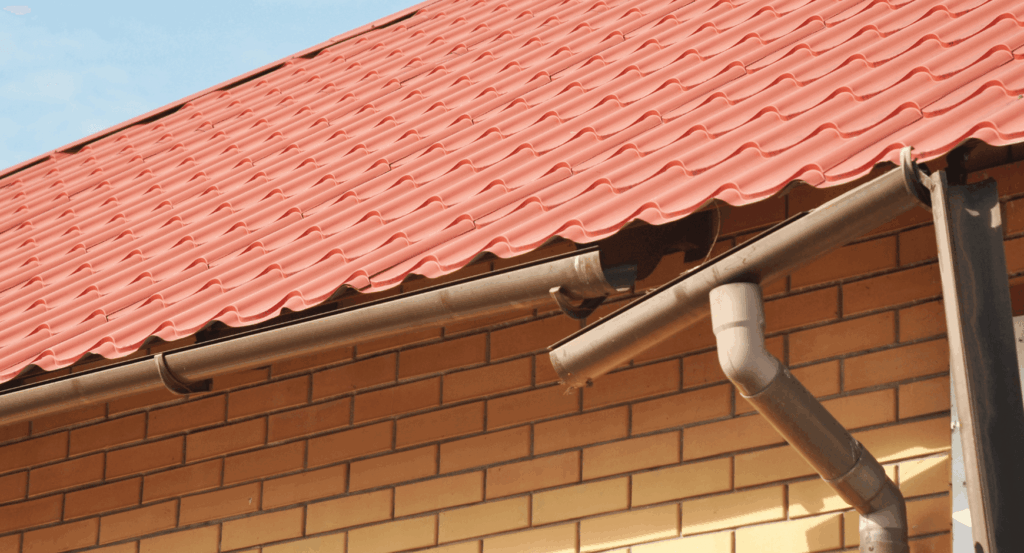
When you think about home damage, gutters may not be the first thing that comes to mind. But sagging, leaking, or clogged gutters can cause serious problems especially for North Carolina homeowners. One of the biggest dangers is foundation damage. It might seem surprising that something as simple as a gutter can affect something as important as your home’s foundation, but it happens more often than you think.
In this blog, we’ll explain how damaged gutters can put your home at risk, why it matters so much in North Carolina, and what you can do before the problem becomes expensive.
How Do Damaged Gutters Cause Water to Pool Around the Foundation?
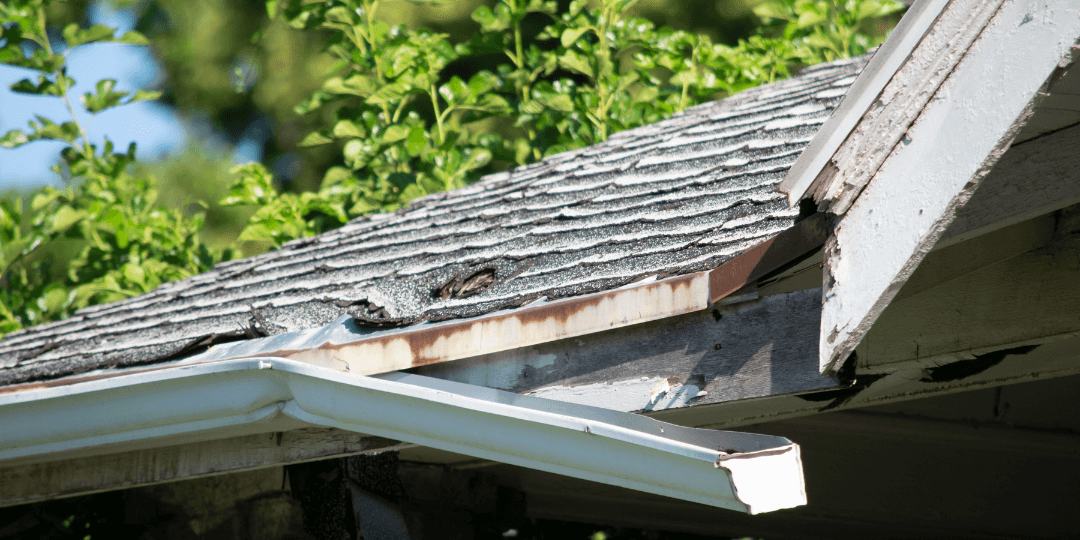
Gutters have one main job: move rainwater safely away from your house. When gutters are working correctly, they collect water from the roof and send it through downspouts far away from the foundation. But when gutters are sagging, leaking, clogged, or broken, they fail to guide the water properly.
What happens when gutters overflow?
Instead of directing water away, damaged gutters spill water over the sides. That water lands right next to the home’s foundation. Over time, puddles form, the soil gets soaked, and water begins to seep into the ground.
Why is water near the foundation a problem?
Foundations are built to be strong, but they are not meant to sit in constantly wet soil. When the ground around your house stays soaked after every rainfall, it creates conditions that weaken the foundation over time.
This is especially important in North Carolina, where heavy rainstorms and seasonal downpours are common.
How Does Soil Expansion Damage Your Foundation?
When water pools next to your home, the soil absorbs it like a sponge. This is where the real trouble begins.
What does expanding soil do?
As the soil swells with water, it pushes harder against the foundation walls. This force is known as hydrostatic pressure. Over time, too much pressure can cause the walls to crack, bow, or shift.
Is hydrostatic pressure really that strong?
Yes. Excess moisture around your home can lead to serious foundation problems. When soil becomes waterlogged, it presses harder against the foundation. (source: Trasher Foundation Repair) This extra pressure can make walls crack, bow, or shift especially in areas with clay-rich soils that expand when wet.
What does this mean for homeowners?
If the pressure is not relieved, the foundation can slowly weaken. You might notice small cracks at first. Later, those cracks can grow wider, allowing even more water to enter and causing more damage.
How Does Erosion Affect Your Home’s Stability?
Overflowing gutters don’t just cause soil to expand—they can also wash soil away.
What happens when erosion starts?
As water continually pours over the same spots, it can wash dirt away from the base of the home. When this happens, the soil no longer supports the foundation evenly. This uneven shifting can lead to sinking, cracking, and long-term stability issues.
Erosion is one of the silent dangers of gutter damage because homeowners often don’t see it until major problems appear.
Can Water From Bad Gutters Get Inside the Home?
Unfortunately, yes.
How does water enter the basement or crawl space?
When water pools around the home, it looks for somewhere to go. If it can’t drain away, it will often seep through tiny cracks or gaps in the foundation. This causes:
- Damp or musty smells
- Mold growth
- Wet crawl spaces or basements
- Damage to insulation or wooden beams
North Carolina homes with crawl spaces are especially vulnerable because many crawl spaces are not completely sealed or insulated.
Why Is This Problem So Common in North Carolina?
North Carolina’s climate and environment make gutter problems even more common.
Do leaves really clog gutters that easily?
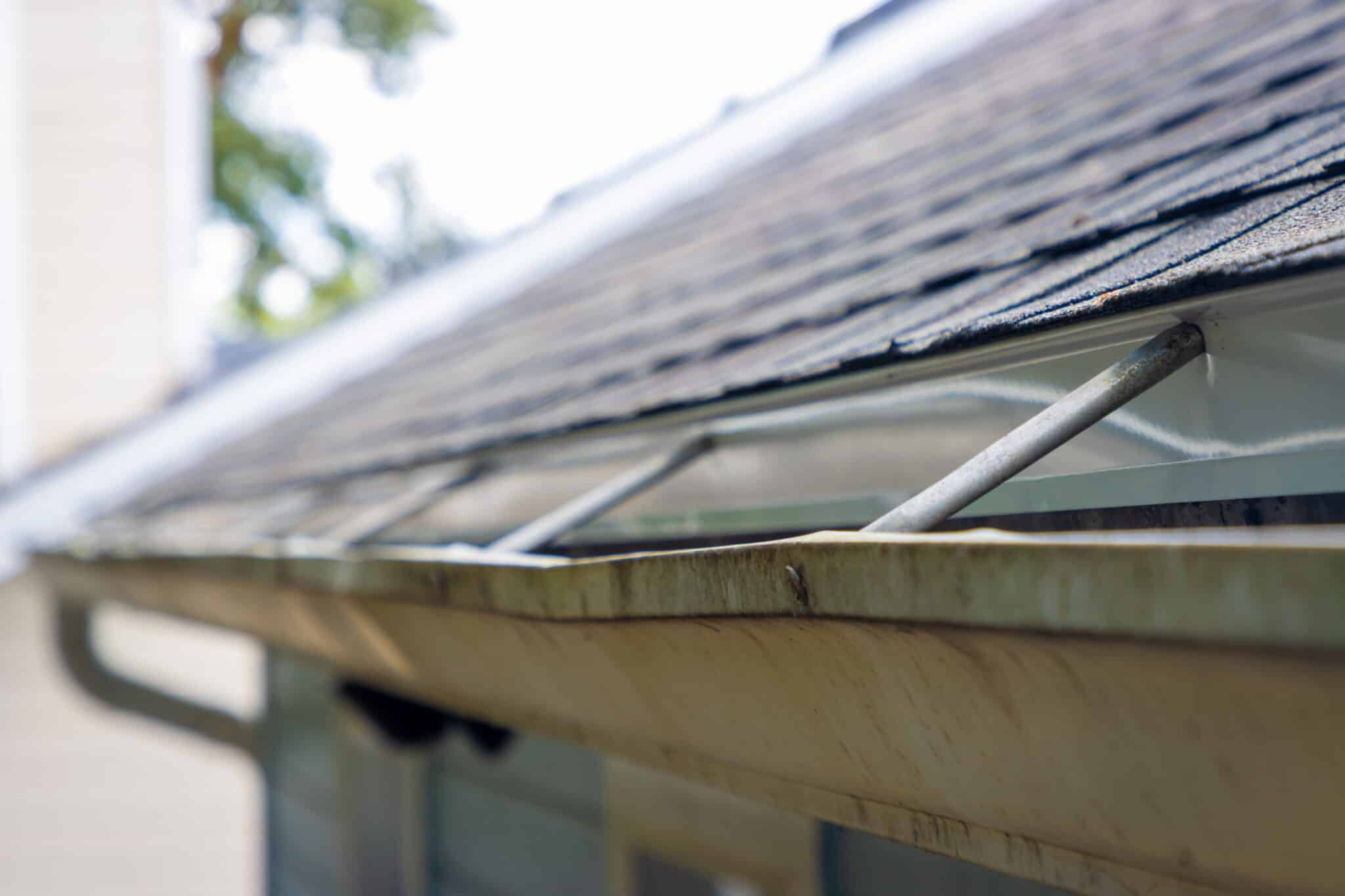
Yes, especially in a state filled with deciduous trees. In the fall, leaves, twigs, and acorns quickly fill gutters. When this debris piles up, water can’t flow through the system. It spills over the sides, starting the cycle of foundation damage.
Do storms make the problem worse?
Absolutely. North Carolina is known for thunderstorms, hurricanes, and heavy rainfall. Strong winds can loosen gutters, and heavy rain can overload them. Sagging often begins after a storm, and once gutters sag, water naturally flows to the lowest point—usually the ground near the foundation.
How Can You Protect Your Home Before the Damage Gets Worse?
The good news is that fixing or maintaining your gutters can prevent costly foundation repairs. Simple actions like cleaning your gutters, checking for leaks, and repairing sagging sections can save you thousands in future damage.
If your gutters are already overflowing, sagging, or leaking, now is the time to act before foundation problems begin.
Need Help With Gutter Repairs in North Carolina?
Southern Experts LLC is here to protect your home from water damage and foundation problems.
Call Southern Experts LLC today at (919) 880-7494. Let our professionals inspect, repair, and secure your gutters before the next storm hits.