
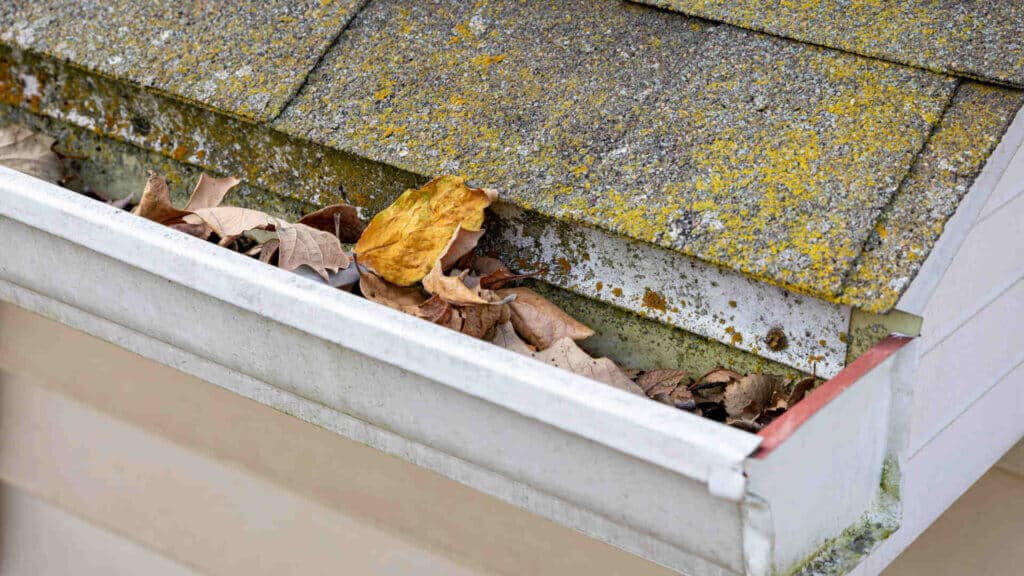
In Durham, gutters fill up fast because the city has a heavy mix of pine, oak, and sweetgum trees. Duke Gardens notes that central North Carolina is dominated by wind-pollinated trees like pines, oaks, and hickories, which release pollen in waves during spring. That is why so many homes get coated in yellow dust every year.
That pollen does not stay dry for long. It mixes with pine needles, seed pods, twigs, and roof grit. After a rain, it can turn into a thick, wet sludge inside the gutter. In Durham, this is a big problem during the spring pollen season and again in the fall when leaves drop.
Pine needles make things worse. They tangle together and form tight clogs that stop water from moving to the downspouts. Sweetgum balls, oak leaves, and small sticks can pile on top of that mat. Once the flow slows down, more debris sticks, and the blockage grows.
How Does Durham’s Weather Make Gutter Problems Worse?
Durham’s weather gives debris many chances to build up. North Carolina’s tree pollen season usually runs from February through the end of May, with sharp increases by mid-March and a peak near late March and early April.
Then come spring and summer storms. Heavy rain can hit central Piedmont hard. In one 2025 storm event, parts of the region saw 8 to 10 inches of rain in about 12 hours, and Durham’s ECONet station recorded 2.62 inches during a late August event in 2024. That kind of rain quickly exposes weak or clogged gutters.
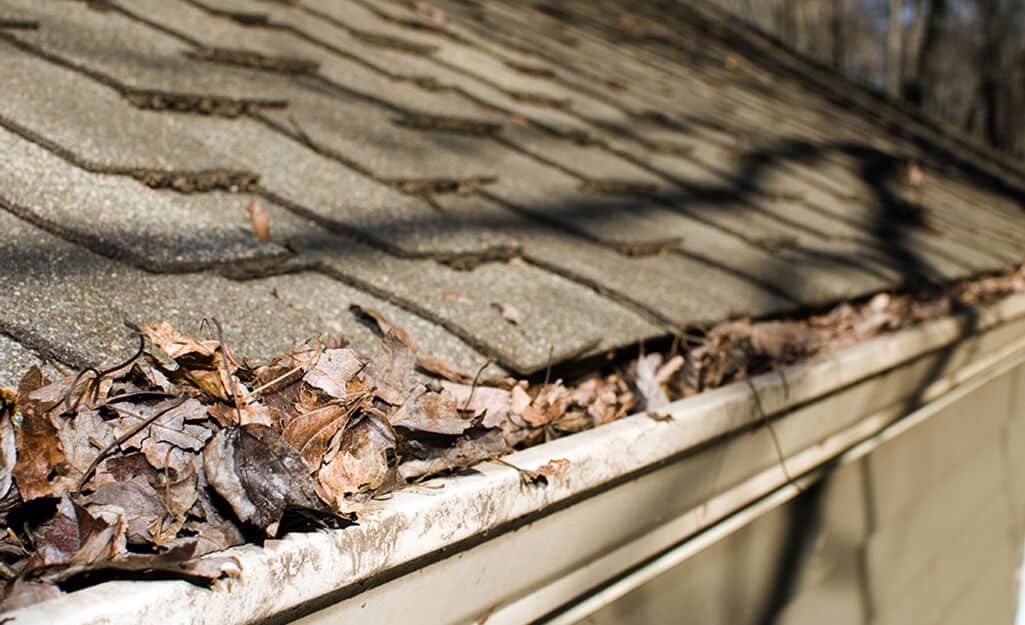
When gutters are already packed with pollen sludge and pine needles, water spills over the sides instead of draining away from the home. That overflow can soak siding, wash out mulch, damage flower beds, and leave standing water near the foundation.
What Damage Can Clogged Gutters Cause Around Your Home?
Blocked gutters do more than look messy. They can lead to expensive damage. Wet debris gets heavy, almost like sand, and that extra weight can make gutters sag or pull away from the fascia board. Rainwater that cannot drain well may also keep wood damp for too long, raising the risk of rot and other moisture problems.
Clogged gutters can also attract pests. The North Carolina Department of Agriculture says wood, paper, cardboard, and other cellulose debris near a structure increase termite risk, and termites thrive in moist environments.
In short, clogged gutters in Durham can lead to:
- water overflow near the foundation
- rotting fascia boards
- gutter sagging or separation
- landscape washout
- higher pest risk, including termites
What Can Durham Homeowners Do to Protect Their Gutters?
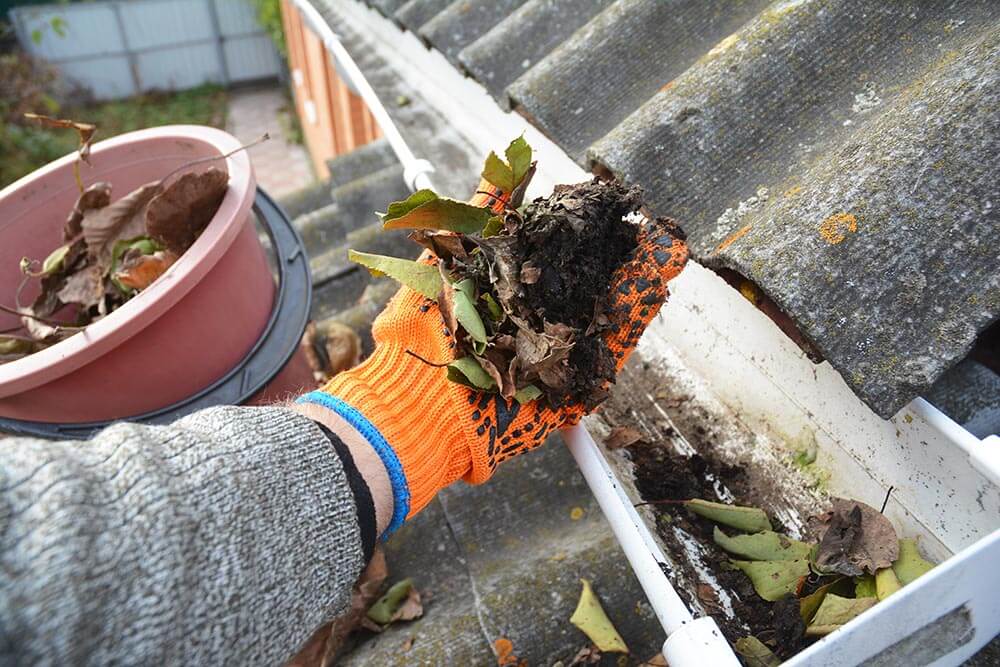
The best step is regular cleaning and inspection, especially in spring and fall. In Durham, many homes need more than one cleaning a year because pollen season is long and local trees drop debris across multiple seasons. UNC experts also note that pollen seasons in North Carolina have been getting longer over the last 20 to 30 years, which means buildup may start earlier and last longer.
It also helps to choose the right gutter guard. Basic screens may not stop fine pollen sludge or tangled pine needles. Homes near tall pines or mature oaks often need a stronger system designed for small debris and heavy runoff.
Are You Ready to Protect Your Durham Gutters Before Damage Starts?
If your gutters overflow during rain, sag under debris, or stay packed with pine needles and yellow sludge, it may be time to act. Durham’s mix of pollen, tree litter, and seasonal storms can wear down a gutter system faster than many homeowners expect. Southern Experts LLC can help you protect your home before small gutter problems turn into wood rot, leaks, or foundation trouble. Call (919) 880-7494 to get started today.